Best Ergonomic Monitor Light Bar for a Focused, Minimalist Desk Setup
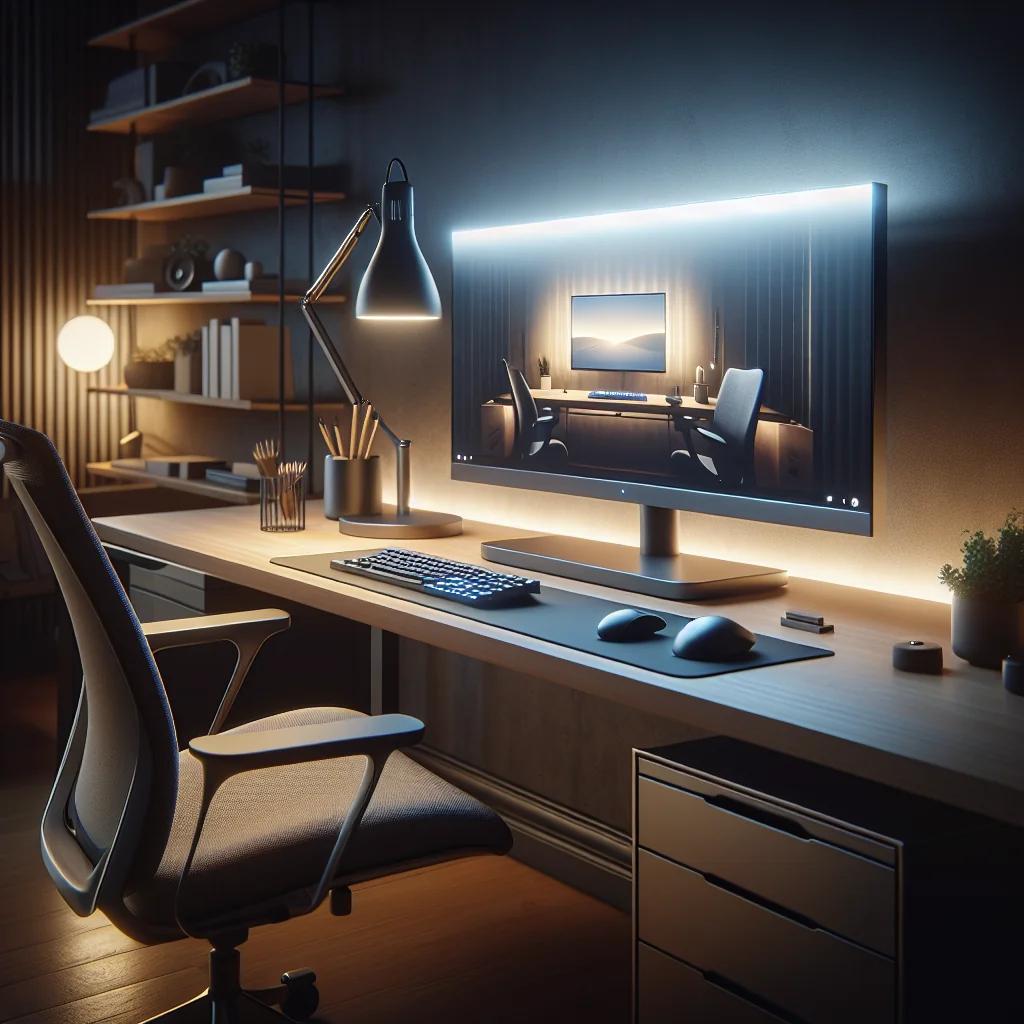
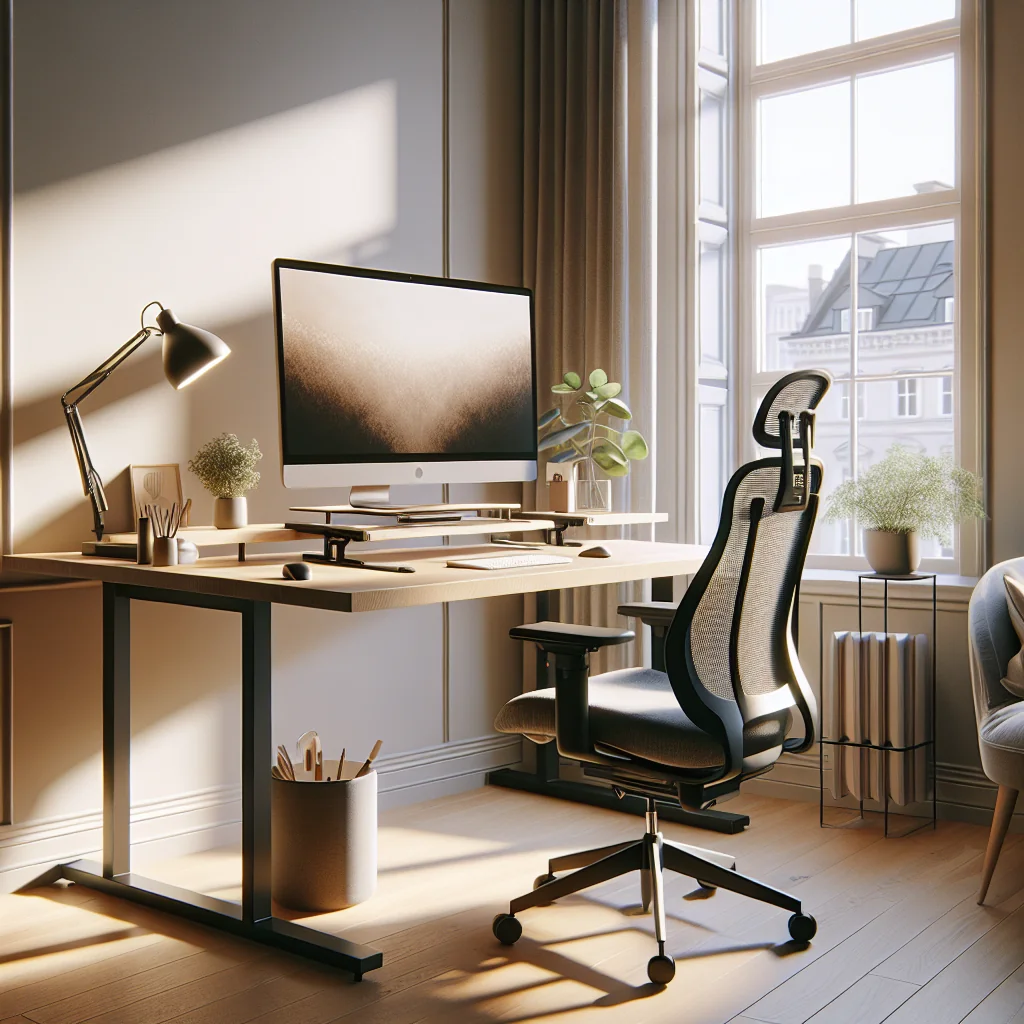
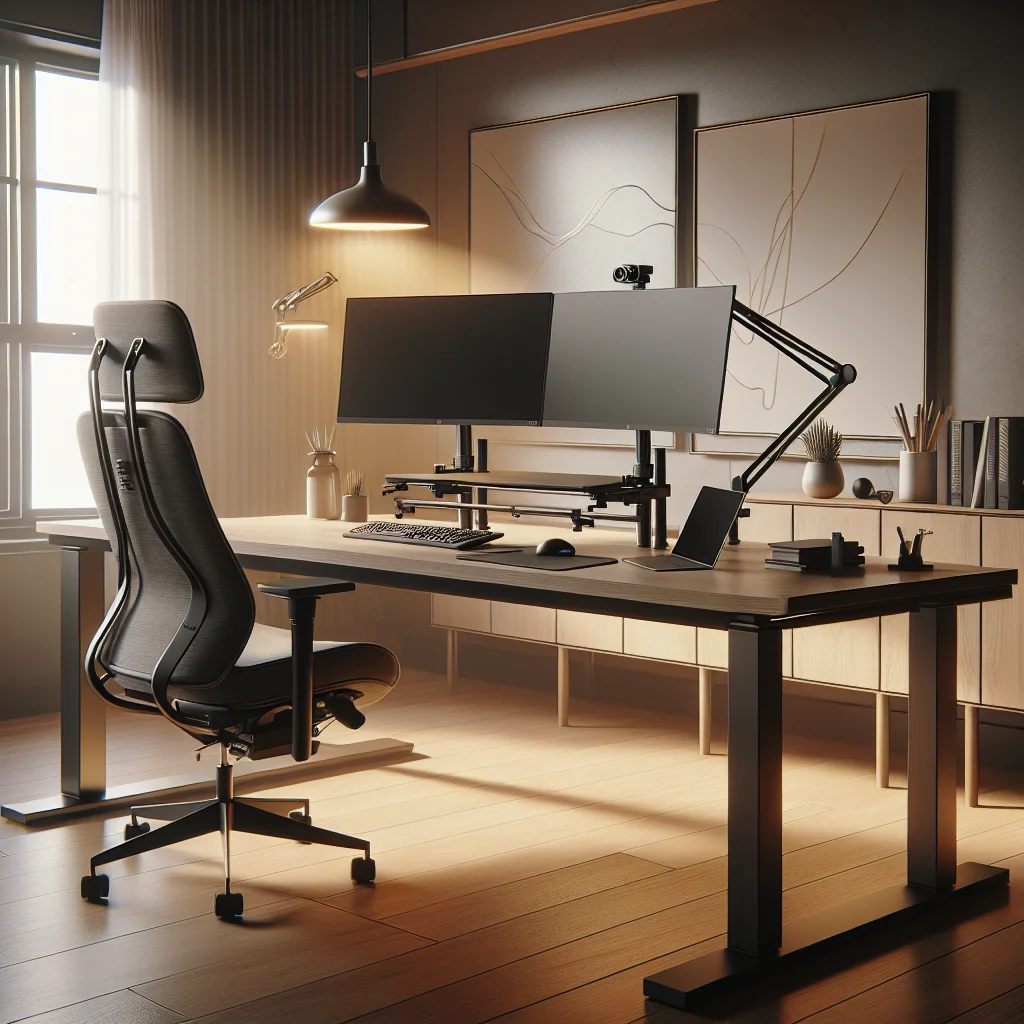
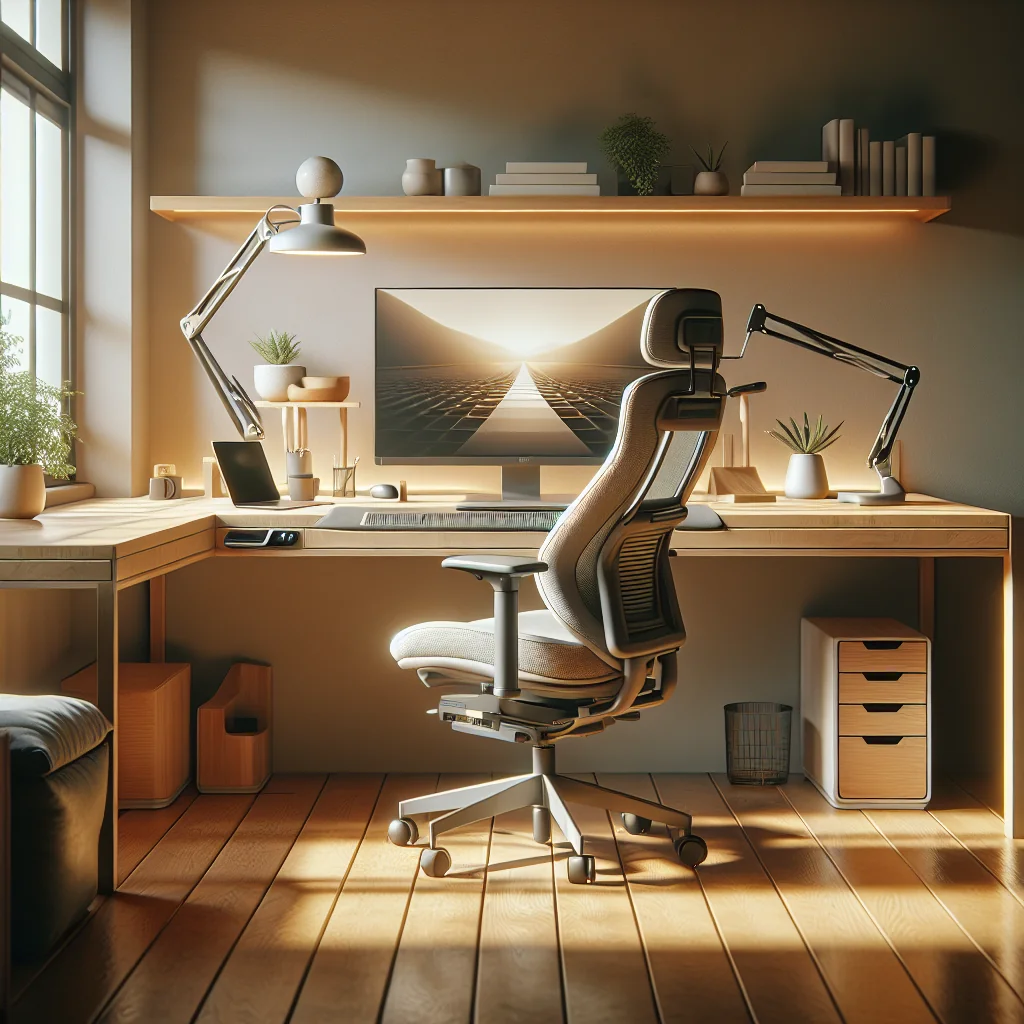
The best ergonomic monitor light bar does more than brighten your screen; it shapes your whole desk setup. If you care about a minimalist desk, a small desk setup, or a calm home office setup, the right light bar can reduce eye strain and visual clutter at the same time. This guide connects monitor lighting with productivity tools like a Pomodoro timer, your mechanical keyboard, and other desk setup essentials so you can choose with confidence.
Why an Ergonomic Monitor Light Bar Matters for Productivity
Many people focus on chairs and keyboards for ergonomics, but lighting is just as important. A good monitor light bar cuts glare, balances contrast, and keeps your eyes from working too hard. That comfort supports deep work, whether you use a Pomodoro timer or a flow timer to manage your focus and breaks.
Eye comfort and posture in long sessions
On a small desk setup or simple desk setup, a light bar also saves space. It sits on top of your display instead of taking up room like a desk lamp. That leaves more surface area for your notebook, mouse, and mechanical keyboard without crowding your mouse arm or forcing awkward positions that strain your shoulders and neck.
For a modern productivity setup, lighting is part of a system: posture, input devices, timers, and visual calm. When these pieces align, reaching a state of flow becomes easier and more repeatable, and you feel less drained at the end of the day.
Key Ergonomic Features to Look For in the Best Monitor Light Bar
Not every light bar supports healthy posture and long work sessions. Ergonomic features help you protect your eyes and neck while keeping your desk layout clean and efficient. Focus on how the light interacts with your monitor, your keyboard, and your wall or backdrop rather than just the style of the bar.
Essential specs that actually affect comfort
- No screen glare: A top light bar should angle light down onto your desk and keyboard, not onto the display. This keeps contrast consistent and reduces squinting.
- Adjustable color temperature: Cooler light helps during intense computer desk setup work; warmer light feels better at night and reduces harshness.
- Stepless brightness control: Fine control lets you match light to your room, monitor brightness, and task without eye fatigue.
- Stable, non-damaging clamp: A secure mount prevents wobble on a stacked monitor setup or thin bezels while protecting the screen frame.
- Asymmetric beam design: A forward-angled beam lights the desk and keyboard but avoids reflecting back into your eyes from the monitor.
These features matter even more on a small desk or basic desk setup where screens sit closer to your eyes. With limited depth, the wrong light can create harsh reflections, while a well-designed bar keeps the visual field calm and evenly lit so your eyes can relax.
Best Ergonomic Monitor Light Bar Options by Desk Style
The “best” ergonomic monitor light bar depends on how you use your desk. A home office setup for long writing sessions needs different features than a gaming-inspired desk setup or a dual-screen coding station. The table below groups light bar types by typical needs and aesthetics so you can match options to your style.
Desk styles and matching light bar traits
Ergonomic monitor light bar types matched to common desk setups
| Desk Setup Style | Ideal Light Bar Traits | Ergonomic Reason It Fits |
|---|---|---|
| Minimalist desk / simple desk setup | Slim body, touch controls, neutral finish | Keeps visual noise low and frees surface space for essentials. |
| Small desk setup / home desk setup | Shorter bar, strong clamp, USB-powered | Fits narrow monitors, reduces cable mess, works well close to walls. |
| Stacked monitor setup / dual monitors | Wide beam, adjustable angle, stable mount | Even light across both screens and keyboard without glare. |
| Aesthetic desk setup / themed desk setup | Color temperature range, subtle design, matching finish | Supports mood lighting while keeping eyes comfortable for long sessions. |
| Productivity setup with timers | Easy brightness presets, flicker-free LED | Lets you adapt light quickly between deep work and breaks. |
Once you know your desk identity, choosing a light bar becomes easier. Think of the bar as part of your visual field, like your monitor bezels and keyboard color; all three should work together to keep your eyes relaxed and your posture neutral across different tasks.
How Monitor Lighting Shapes Minimalist and Small Desk Setups
On a minimalist desk, every object must earn its place. A monitor light bar replaces a bulky lamp, clears space for your mouse and notebook, and keeps cables simple. That supports a clean mental state and lowers the chance of knocking things over during a rushed break between focus intervals.
Making the most of limited space
For a small desk setup, depth is often the main limit. You may not have room to pull the monitor far from your eyes. A well-aimed light bar brightens the work surface and your mechanical keyboard without shining directly into your face, which is crucial when you sit close to the screen and need even light.
This is especially helpful on compact desks with simple tops and basic legs. Those desks are functional but often placed near walls or corners. The right light bar can compensate for poor room lighting and make a compact home desk setup feel open and usable for longer stretches.
Integrating a Monitor Light Bar into an Aesthetic Desk Setup
An aesthetic desk setup balances function and mood. Colored keycaps, a soft desk mat, and a warm-toned lamp can create a calm scene, but the monitor area often looks harsh. A light bar bridges that gap by softening the transition between bright screen and dark surroundings.
Balancing mood lighting with visibility
If you use pastel or sage green keycaps on a mechanical keyboard, consider a light bar with adjustable warmth. Slightly warmer light can make key legends easier to read without washing out color. This helps you enjoy the look of your board while keeping your typing accurate and comfortable during long typing sessions.
An inspired desk setup also uses lighting to mark work modes. Bright, cooler light for deep focus sessions, plus warmer, dimmer light for late-night planning or journaling. A monitor light bar with easy controls lets you shift these modes without moving lamps or changing bulbs, so your desk can stay tidy.
Monitor Light Bars and Desk Setup Essentials
Think of your ergonomic monitor light bar as one of several desk setup essentials. The others include your chair, monitor height, keyboard, pointing device, and time management tools. When you align them, you gain a workspace that supports long sessions without strain and without constant micro-adjustments.
How lighting supports input devices
For example, a well-shaped mouse often shines in reviews for its comfortable grip and smooth scroll wheel. Those strengths matter most when your wrist is relaxed and the mouse glides over a clear surface. A light bar that frees desk space and removes dark shadows helps you track the mouse easily and avoid awkward reaches.
In a computer desk setup that mixes work and casual browsing, this small synergy matters. Good lighting reduces missed clicks, mis-keys, and the subtle tension that builds when your hands and eyes fight poor conditions for hours every day.
How to Set Up a Desk with a Monitor Light Bar Step by Step
To get the full ergonomic benefit, you need more than just the best ergonomic monitor light bar. You must place it correctly and coordinate it with your monitor height, chair, and input devices. Use this simple process as you build or refresh your home office setup so each part supports the others.
Step-by-step ergonomic desk and light bar setup
- Set your chair height so your feet rest flat and your elbows bend near 90 degrees.
- Place the monitor so the top of the screen is roughly at or slightly below eye level.
- Clamp the monitor light bar to the top edge, then angle it so the beam hits the desk, not the screen.
- Position your mechanical keyboard so your wrists stay straight, with the front edge near the desk edge.
- Place your mouse close to the keyboard to avoid overreaching and shoulder strain.
- Adjust light brightness and color temperature to match room light; avoid extreme contrast.
- Test the setup during a timed focus session and tweak angles or levels as needed.
This simple sequence links lighting, posture, and workflow. Once it feels right, you can fine-tune aesthetics, like adding plants or a new desk mat, without losing ergonomic benefits that protect your eyes and joints.
Using Timers and Lighting Together for Better Focus
A Pomodoro timer or flow timer helps you control time; lighting helps you control energy. Combined, they shape how your brain enters and exits focus. Bright, consistent light during work intervals keeps you alert; softer light during breaks signals your mind to relax and reset.
Building a repeatable focus ritual
With a monitor light bar, these changes can be subtle and fast. You can lower brightness slightly between sessions or shift to a warmer tone in the evening. Over days and weeks, this rhythm can make your productivity setup feel more natural and less forced, which often leads to more steady output.
For a home office setup where work and personal life share one room, this light-and-time pairing also helps mark boundaries. Sitting down, turning on your light bar, and starting a timer becomes a ritual that tells your brain “now we work,” and turning them off marks the end of the day.
How to Light an Office Around Your Monitor
Even the best ergonomic monitor light bar works best as part of a broader lighting plan. Overhead lights, window placement, and wall color all affect how your eyes experience your screen. The goal is soft, even light with no harsh hotspots or deep shadows around your monitor.
Combining room lighting with a monitor light bar
Try to avoid strong light sources directly behind you or directly behind the monitor. Both create glare and force your eyes to adapt constantly. A light bar helps by filling in the area around the screen so the jump from screen brightness to background darkness is less extreme and more comfortable.
In a home desk setup, you often cannot redesign the whole room. But you can combine a modest ceiling light, a monitor light bar, and maybe one accent lamp to create a balanced environment. That balance supports both comfort and the aesthetic of your inspired desk setup without cluttering the surface.
Bringing It All Together: Choosing the Best Ergonomic Monitor Light Bar
An ergonomic monitor light bar is a small device with a big impact on your desk life. It supports eye comfort, cleans up a minimalist desk, and helps a small desk setup feel usable for long sessions. When you pair it with a well-placed monitor, a mechanical keyboard you enjoy, and a reliable timer, your desk becomes a tool for focus, not a source of strain.
Quick checklist before you buy
Before you choose a specific model, run through a short mental checklist. This keeps you focused on ergonomics instead of just design or price and helps you avoid features you will never use.
- Does the bar avoid screen glare with an angled, asymmetric beam?
- Can you adjust color temperature for day and night work?
- Is brightness smooth and easy to change without digging into menus?
- Will the clamp fit your monitor thickness and stay stable?
- Is the bar size suitable for your monitor width and desk depth?
Whether you lean toward a simple desk setup, a cozy compact desk, or a fully themed aesthetic desk setup with colorful keycaps, treat lighting as a core choice, not an afterthought. The right monitor light bar can anchor your computer desk setup, protect your eyes, and quietly support every task you do there.